


-
 files/mpm180-jpg-500x500.webp
-
 files/mpm180-1000x1000.webp
-
 files/manual-polarimeter-500x500.webp
-
 files/preview_images/hqdefault_6273e813-9ce0-47d6-964f-c4e3e977a8ba.jpg


The Manual Research Polarimeter (MPM180) is a high-precision optical instrument designed for measuring the optical rotation of optically active substances in laboratory and research environments. Featuring a wide ±180° measurement range and an accuracy of ±0.05°, this advanced polarimeter is ideal for determining the purity, concentration, content, and specific rotation of various chemical and pharmaceutical compounds
Key Features
-
Wide measurement range of ±180° optical rotation
-
High measurement accuracy of ±0.05°
-
Sodium lamp illumination system
-
Easy-to-read manual disc scale
-
Suitable for purity and concentration analysis
-
Durable ABS plastic construction
-
Laboratory-grade optical measurement system
-
User-friendly operation and calibration
-
Stable and repeatable measurement results
-
Compact bench-top design
| Measurement BRIX | +- 180 Degree - Optical rotation |
| Model Name/Number | MPM180 |
| Usage/Application | Laboratory |
| Size | 600X200X400mm |
| Light Source | Sodium Lamp |
| Material | ABS Plastic |
| Weight | 5 kg |
| Voltage | 220V |
Frequently Asked Questions (FAQs)
1. What is a manual research polarimeter used for?
A manual research polarimeter is used to measure the optical rotation of polarized light caused by optically active substances. It helps determine purity, concentration, and specific rotation of chemical compounds.
2. What is the measurement range of the MPM180 Polarimeter?
The MPM180 offers a wide optical rotation measurement range of ±180°, making it suitable for a broad range of laboratory applications.
3. What is optical rotation?
Optical rotation is the angle by which polarized light is rotated when it passes through an optically active substance such as sugar solutions, pharmaceuticals, or organic compounds.
4. What is the accuracy of the MPM180 Manual Polarimeter?
The instrument provides measurement accuracy of ±0.05°, ensuring reliable and repeatable laboratory results.
5. Which industries use polarimeters?
Polarimeters are widely used in pharmaceutical, chemical, food processing, sugar manufacturing, essential oil, and academic research industries.
6. Why is a sodium lamp used in a polarimeter?
A sodium lamp produces monochromatic light at a stable wavelength, enabling accurate optical rotation measurements and consistent analytical results.
7. Can the MPM180 be used for pharmaceutical analysis?
Yes. The MPM180 is suitable for pharmaceutical laboratories for determining the purity and concentration of optically active compounds.
8. What substances can be tested using a polarimeter?
Polarimeters are commonly used to analyze sugar solutions, pharmaceuticals, essential oils, chemicals, organic compounds, and other optically active materials.
9. How does a manual polarimeter work?
The instrument passes polarized light through a sample. The user observes the optical field through the eyepiece and measures the rotation angle using the calibrated disc scale.
10. What is specific rotation?
Specific rotation is a standardized measurement of optical activity that helps identify and verify the purity of optically active substances.
11. Is the MPM180 suitable for educational laboratories?
Yes. Its simple operation and clear optical measurement system make it ideal for colleges, universities, and teaching laboratories.
12. What are the advantages of a manual polarimeter?
Manual polarimeters offer cost-effective optical rotation measurement, simple maintenance, reliable operation, and high measurement accuracy for routine laboratory applications.
13. How is a polarimeter used in sugar analysis?
Polarimeters are used to determine sugar concentration and purity by measuring the optical rotation produced by sugar solutions.
14. What factors affect polarimeter measurements?
Temperature, wavelength, sample concentration, tube length, and instrument calibration can influence optical rotation measurements.
15. Why choose the MPM180 Manual Research Polarimeter?
The MPM180 combines a wide ±180° range, ±0.05° accuracy, durable construction, and easy operation, making it an excellent choice for research, education, and industrial laboratories.
- Regular price
- Rs.45,000.00
- Sale price
- Rs.27,999.00
The Manual Research Polarimeter (MPM180) is a high-precision optical instrument designed for measuring the optical rotation of optically active substances in laboratory and research environments. Featuring a wide ±180° measurement range and an accuracy of ±0.05°, this advanced polarimeter is ideal for determining the purity, concentration, content, and specific rotation of various chemical and pharmaceutical compounds
Key Features
-
Wide measurement range of ±180° optical rotation
-
High measurement accuracy of ±0.05°
-
Sodium lamp illumination system
-
Easy-to-read manual disc scale
-
Suitable for purity and concentration analysis
-
Durable ABS plastic construction
-
Laboratory-grade optical measurement system
-
User-friendly operation and calibration
-
Stable and repeatable measurement results
-
Compact bench-top design
| Measurement BRIX | +- 180 Degree - Optical rotation |
| Model Name/Number | MPM180 |
| Usage/Application | Laboratory |
| Size | 600X200X400mm |
| Light Source | Sodium Lamp |
| Material | ABS Plastic |
| Weight | 5 kg |
| Voltage | 220V |
Frequently Asked Questions (FAQs)
1. What is a manual research polarimeter used for?
A manual research polarimeter is used to measure the optical rotation of polarized light caused by optically active substances. It helps determine purity, concentration, and specific rotation of chemical compounds.
2. What is the measurement range of the MPM180 Polarimeter?
The MPM180 offers a wide optical rotation measurement range of ±180°, making it suitable for a broad range of laboratory applications.
3. What is optical rotation?
Optical rotation is the angle by which polarized light is rotated when it passes through an optically active substance such as sugar solutions, pharmaceuticals, or organic compounds.
4. What is the accuracy of the MPM180 Manual Polarimeter?
The instrument provides measurement accuracy of ±0.05°, ensuring reliable and repeatable laboratory results.
5. Which industries use polarimeters?
Polarimeters are widely used in pharmaceutical, chemical, food processing, sugar manufacturing, essential oil, and academic research industries.
6. Why is a sodium lamp used in a polarimeter?
A sodium lamp produces monochromatic light at a stable wavelength, enabling accurate optical rotation measurements and consistent analytical results.
7. Can the MPM180 be used for pharmaceutical analysis?
Yes. The MPM180 is suitable for pharmaceutical laboratories for determining the purity and concentration of optically active compounds.
8. What substances can be tested using a polarimeter?
Polarimeters are commonly used to analyze sugar solutions, pharmaceuticals, essential oils, chemicals, organic compounds, and other optically active materials.
9. How does a manual polarimeter work?
The instrument passes polarized light through a sample. The user observes the optical field through the eyepiece and measures the rotation angle using the calibrated disc scale.
10. What is specific rotation?
Specific rotation is a standardized measurement of optical activity that helps identify and verify the purity of optically active substances.
11. Is the MPM180 suitable for educational laboratories?
Yes. Its simple operation and clear optical measurement system make it ideal for colleges, universities, and teaching laboratories.
12. What are the advantages of a manual polarimeter?
Manual polarimeters offer cost-effective optical rotation measurement, simple maintenance, reliable operation, and high measurement accuracy for routine laboratory applications.
13. How is a polarimeter used in sugar analysis?
Polarimeters are used to determine sugar concentration and purity by measuring the optical rotation produced by sugar solutions.
14. What factors affect polarimeter measurements?
Temperature, wavelength, sample concentration, tube length, and instrument calibration can influence optical rotation measurements.
15. Why choose the MPM180 Manual Research Polarimeter?
The MPM180 combines a wide ±180° range, ±0.05° accuracy, durable construction, and easy operation, making it an excellent choice for research, education, and industrial laboratories.
- Regular price
- Rs.45,000.00
- Sale price
- Rs.27,999.00
GST Invoice included
(Save 18% on business purchases)


Need Quote ?
Get Bulk Order Quotation for your lab or Tender Quotation at special discounts !
Contact our support team at support@labmart.in to get the best quote for your bulk order requirement.
Sales Support - +918920746300
Technical Support- +919667893959
Kindly allow us a time of 2-3 days to properly match all the inquired specs, we will also provide authorization(s) to dealers for particular tenders (on tender basis)

Product Description
The Manual Research Polarimeter (MPM180) is a high-precision optical instrument designed for measuring the optical rotation of optically active substances in laboratory and research environments. Featuring a wide ±180° measurement range and an accuracy of ±0.05°, this advanced polarimeter is ideal for determining the purity, concentration, content, and specific rotation of various chemical and pharmaceutical compounds
Key Features
-
Wide measurement range of ±180° optical rotation
-
High measurement accuracy of ±0.05°
-
Sodium lamp illumination system
-
Easy-to-read manual disc scale
-
Suitable for purity and concentration analysis
-
Durable ABS plastic construction
-
Laboratory-grade optical measurement system
-
User-friendly operation and calibration
-
Stable and repeatable measurement results
-
Compact bench-top design
| Measurement BRIX | +- 180 Degree - Optical rotation |
| Model Name/Number | MPM180 |
| Usage/Application | Laboratory |
| Size | 600X200X400mm |
| Light Source | Sodium Lamp |
| Material | ABS Plastic |
| Weight | 5 kg |
| Voltage | 220V |
Frequently Asked Questions (FAQs)
1. What is a manual research polarimeter used for?
A manual research polarimeter is used to measure the optical rotation of polarized light caused by optically active substances. It helps determine purity, concentration, and specific rotation of chemical compounds.
2. What is the measurement range of the MPM180 Polarimeter?
The MPM180 offers a wide optical rotation measurement range of ±180°, making it suitable for a broad range of laboratory applications.
3. What is optical rotation?
Optical rotation is the angle by which polarized light is rotated when it passes through an optically active substance such as sugar solutions, pharmaceuticals, or organic compounds.
4. What is the accuracy of the MPM180 Manual Polarimeter?
The instrument provides measurement accuracy of ±0.05°, ensuring reliable and repeatable laboratory results.
5. Which industries use polarimeters?
Polarimeters are widely used in pharmaceutical, chemical, food processing, sugar manufacturing, essential oil, and academic research industries.
6. Why is a sodium lamp used in a polarimeter?
A sodium lamp produces monochromatic light at a stable wavelength, enabling accurate optical rotation measurements and consistent analytical results.
7. Can the MPM180 be used for pharmaceutical analysis?
Yes. The MPM180 is suitable for pharmaceutical laboratories for determining the purity and concentration of optically active compounds.
8. What substances can be tested using a polarimeter?
Polarimeters are commonly used to analyze sugar solutions, pharmaceuticals, essential oils, chemicals, organic compounds, and other optically active materials.
9. How does a manual polarimeter work?
The instrument passes polarized light through a sample. The user observes the optical field through the eyepiece and measures the rotation angle using the calibrated disc scale.
10. What is specific rotation?
Specific rotation is a standardized measurement of optical activity that helps identify and verify the purity of optically active substances.
11. Is the MPM180 suitable for educational laboratories?
Yes. Its simple operation and clear optical measurement system make it ideal for colleges, universities, and teaching laboratories.
12. What are the advantages of a manual polarimeter?
Manual polarimeters offer cost-effective optical rotation measurement, simple maintenance, reliable operation, and high measurement accuracy for routine laboratory applications.
13. How is a polarimeter used in sugar analysis?
Polarimeters are used to determine sugar concentration and purity by measuring the optical rotation produced by sugar solutions.
14. What factors affect polarimeter measurements?
Temperature, wavelength, sample concentration, tube length, and instrument calibration can influence optical rotation measurements.
15. Why choose the MPM180 Manual Research Polarimeter?
The MPM180 combines a wide ±180° range, ±0.05° accuracy, durable construction, and easy operation, making it an excellent choice for research, education, and industrial laboratories.
Similar Products
-
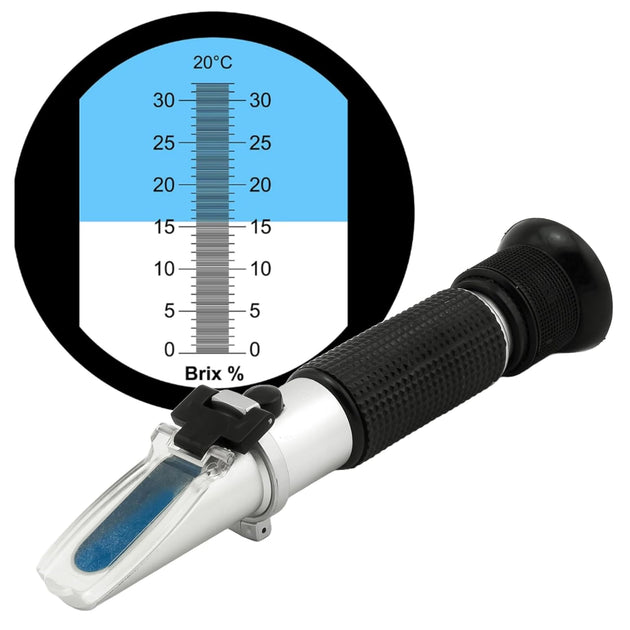

Vendor: Erma
Erma Brix Refractometer Handheld
Sale price From Rs.820.00Regular price Rs.2,000.00 -
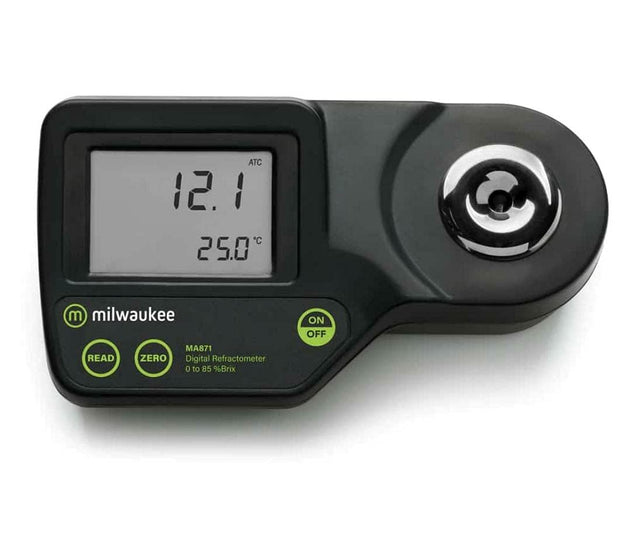

Vendor: Milwaukee
Milwaukee Digital Refractometer 0-85% Brix
Sale price Rs.18,999.00Regular price Rs.25,000.00 -


Vendor: Erma
Erma Salinity Refractometer Handheld
Sale price From Rs.1,150.00Regular price Rs.2,000.00 -


Vendor: Labman
Portable Refractometer I Digital Brix Refractometer
Sale price Rs.38,999.00Regular price Rs.50,000.00


